
About the Largest Mobilisation of the Romanian Community in the UK:
UKRAINE
1. How It All Began
I first saw a video posted by Ghiță Ignat showing refugees crossing the Siret border. I burst into tears—uncontrollably—and fell to my knees.
“God, why do I feel this so deeply? I have nothing prepared… how can I go empty‑handed?”
I’m not usually emotional, but something inside me was pushing—powerfully, insistently—to go there. It scared me as much as it moved me. After all… it was war.
I called a friend, the most rational person I know, the one who usually brings me back to earth when I get “Christian impulses,” as she calls them.
I started telling her what I felt. She stopped me:
“I’ll buy your ticket. Go. God will be with you.”
Was I crazy? Maybe. But she was just as crazy for encouraging me.
Despite the fear and uncertainty, there was something in my soul I couldn’t ignore—a calling I couldn’t explain.
I checked the news again. Europe was on high alert. The war had begun. Refugees were pouring into neighbouring countries by the thousands.
I turned to my husband:
“I need to tell you something.”
He sat down, silent, with a seriousness I had never seen in him.
“Is there any point in me telling you not to go?”
“No… because I have to go,” I whispered through tears.
“Then may God be with us. I’m with you.”
2. The Journey
On the plane, I still didn’t know why I was going. But I knew I had to.
I absentmindedly played with a water bottle, staring at the label. It said something about water taking the shape of whatever vessel it enters—water as life.
It felt like God was speaking even through the smallest things:
“Trust. You will understand why you’re going.”
3. Accommodation in Suceava
My mother insisted:
“We have relatives in Suceava. Go to them!”
I hadn’t seen them in years, and they lived far from the border… but she had already called them.
When I arrived, I discovered:
They lived very close to the Fight For Freedom centre run by Ghiță Ignat.
They volunteered daily at the Siret border.
They gave me a small traditional house with a wood‑burning stove and a porch—straight out of a storybook.
My cousin warned me she cooks everything at home.
“Are you asking if I want organic, delicious food like millionaires eat?”
It felt like God had prepared everything in detail—exactly to my taste.
I came for three days.
I stayed forty.
I had no idea what was coming.
4. At the Border
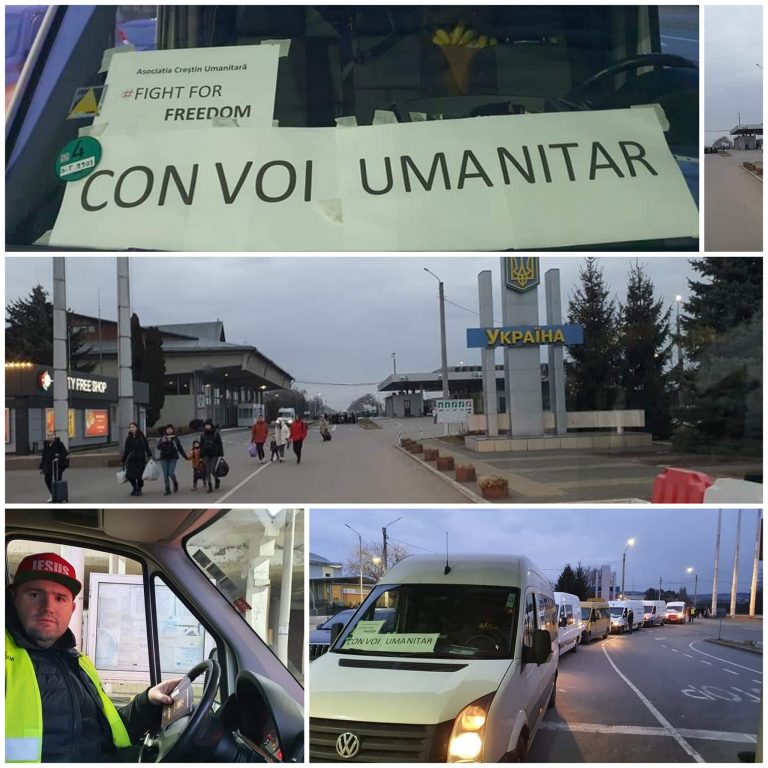
I went to Siret to see with my own eyes.
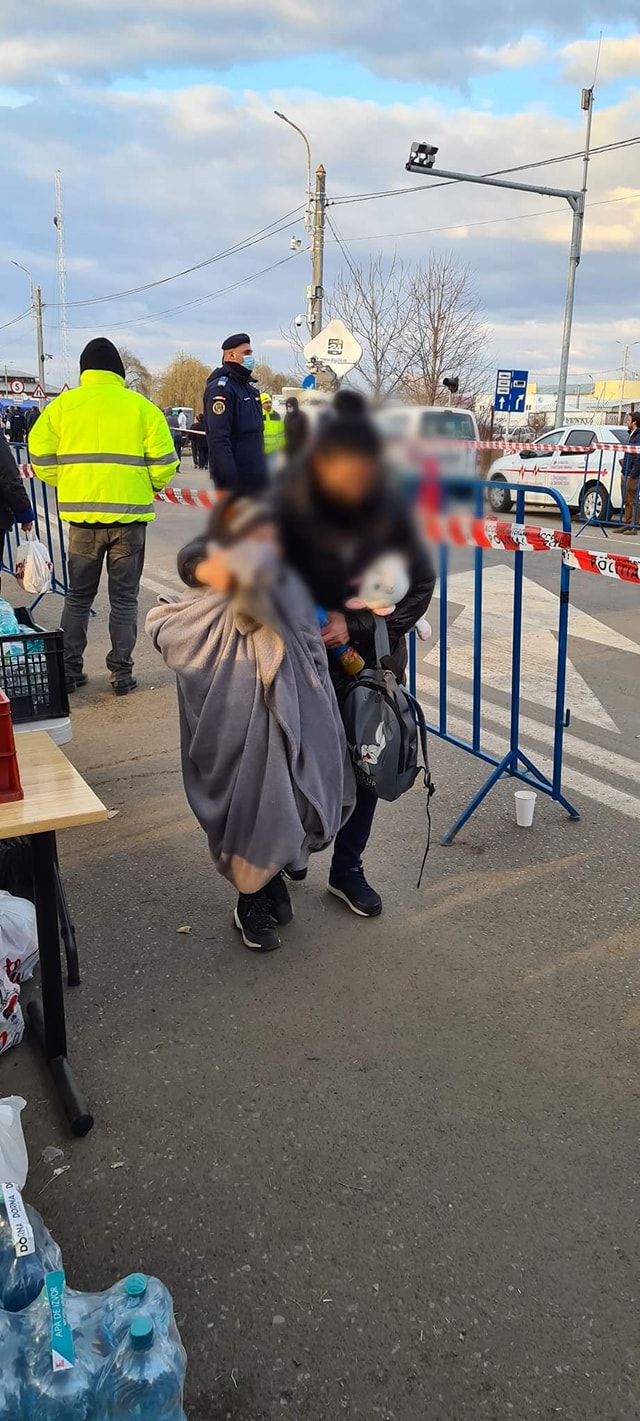
The cold was brutal—Bucovina winter cold. In the headlights, I could see only fragments of the night. I tried not to stare at the refugees so they wouldn’t feel uncomfortable. I stood aside and observed.
Women with exhausted children.
Young mothers.
Little ones dragging toys or tiny bags.
Strollers pushed through the freezing wind.
Tears—so many tears.
They cried entering Romania. I cried seeing the shock and the pain on their faces. But above all, I saw the heartbreak of leaving someone behind—husbands, fathers, brothers who stayed to defend their country.
“God… what can I possibly do?”
After the initial shock, I wiped my tears.
Focus.
I felt a voice inside:
“Look around.”
I saw piles of discarded sandwiches.
Cars pulling up, calling women with children—some irritated when refused.
Police, firefighters, volunteers… all well‑intentioned, but the chaos was overwhelming.
These women needed safety first.
They were fleeing war—only to risk falling into the hands of traffickers.
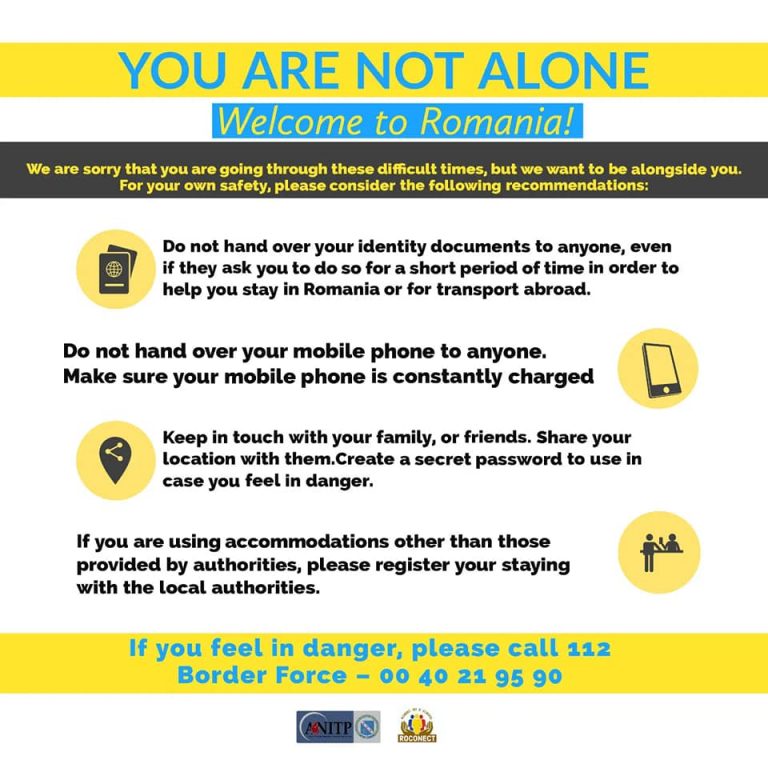
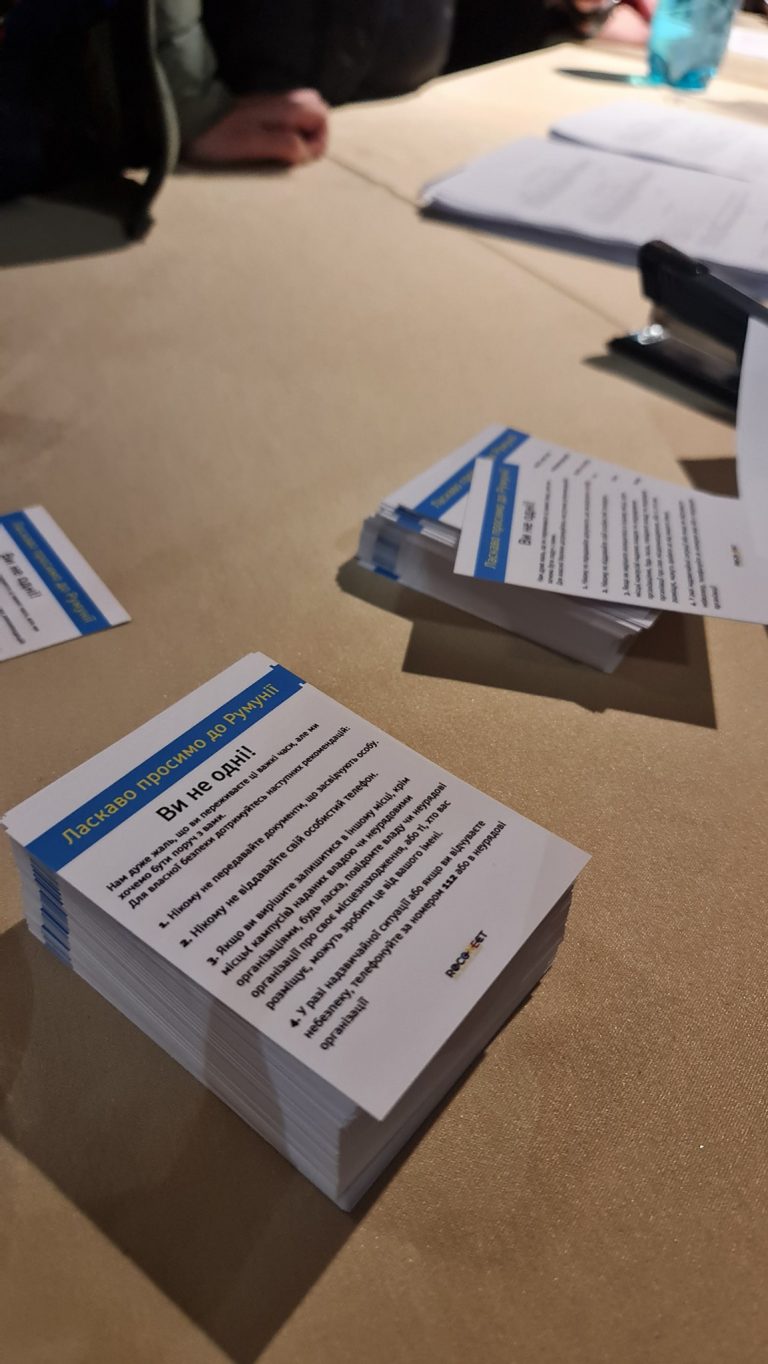
Right there, on the spot, I wrote a message from the heart:
You arere not alone.
Welcome to our country.
We are sorry you are going through this.
Please follow these steps for our safety.
I called our partners at the National Anti‑Trafficking Agency (ANITP). I showed them the idea. They added theirs. We formed a partnership immediately.
You helped translate everything into Ukrainian and Russian—remember? Even a refugee hiding in a bunker corrected the text. ANITP translated too. We joined forces and got to work.
A colleague from the Ministry of Internal Affairs introduced me to her friend—who turned out to be the ANITP regional inspector. We connected instantly, like sisters. And she was exactly the person I needed.
If that wasn’t God’s hand, then whose?
5. The Journey
On the plane, I still didn’t know why I was going. But I knew I had to.
I absentmindedly played with a water bottle, staring at the label. It said something about water taking the shape of whatever vessel it enters—water as life.
It felt like God was speaking even through the smallest things:
“Trust. You will understand why you’re going.”
6. Accommodation in Suceava
My mother insisted:
“We have relatives in Suceava. Go to them!”
I hadn’t seen them in years, and they lived far from the border… but she had already called them.
When I arrived, I discovered:
They lived very close to the Fight For Freedom centre run by Ghiță Ignat.
They volunteered daily at the Siret border.
They gave me a small traditional house with a wood‑burning stove and a porch—straight out of a storybook.
My cousin warned me she cooks everything at home.
“Are you asking if I want organic, delicious food like millionaires eat?”
It felt like God had prepared everything in detail—exactly to my taste.
I came for three days.
I stayed forty.
I had no idea what was coming.
7. At the Border
I went to Siret to see with my own eyes.
The cold was brutal—Bucovina winter cold. In the headlights, I could see only fragments of the night. I tried not to stare at the refugees so they wouldn’t feel uncomfortable. I stood aside and observed.
Women with exhausted children.
Young mothers.
Little ones dragging toys or tiny bags.
Strollers pushed through the freezing wind.
Tears—so many tears.
They cried entering Romania. I cried seeing the shock and the pain on their faces. But above all, I saw the heartbreak of leaving someone behind—husbands, fathers, brothers who stayed to defend their country.
“God… what can I possibly do?”
After the initial shock, I wiped my tears.
Focus.
I felt a voice inside:
“Look around.”
I saw piles of discarded sandwiches.
Cars pulling up, calling women with children—some irritated when refused.
Police, firefighters, volunteers… all well‑intentioned, but the chaos was overwhelming.
These women needed safety first.
They were fleeing war—only to risk falling into the hands of traffickers.
Right there, on the spot, I wrote a message from the heart:
You arere not alone.
Welcome to our country.
We are sorry you are going through this.
Please follow these steps forour safety.
I called our partners at the National Anti‑Trafficking Agency (ANITP). I showed them the idea. They added theirs. We formed a partnership immediately.
You helped translate everything into Ukrainian and Russian—remember? Even a refugee hiding in a bunker corrected the text. ANITP translated too. We joined forces and got to work.
A colleague from the Ministry of Internal Affairs introduced me to her friend—who turned out to be the ANITP regional inspector. We connected instantly, like sisters. And she was exactly the person I needed.
If that wasn’t God’s hand, then whose?
8. Mobilising Romania and the UK
People kept asking how they could help.
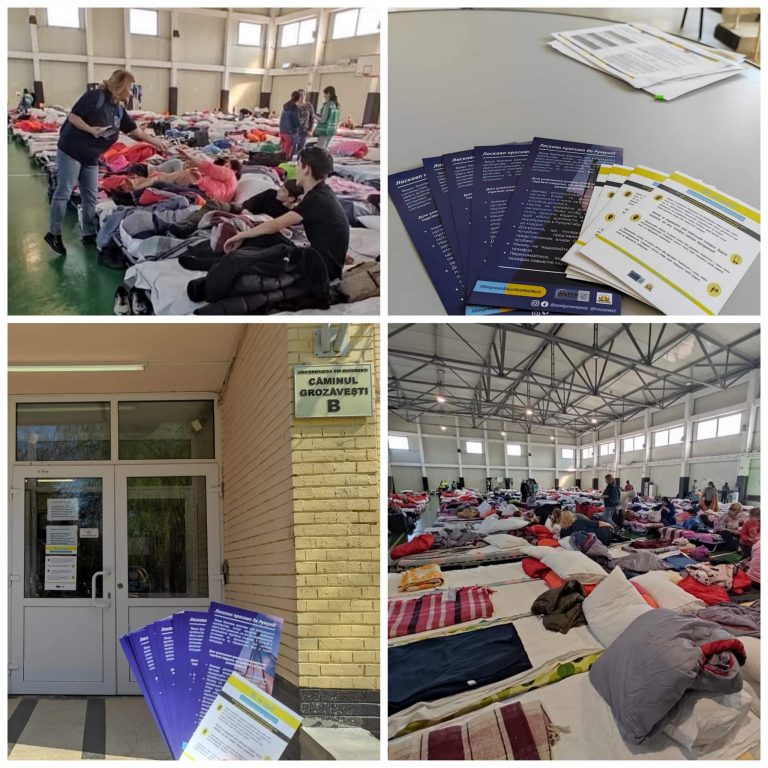
We quickly created a national network of printing centres for posters, flyers, and materials in all Romanian border points.
Ștefan Mandachi , dear friend and extraordinary human, introduced me to printing houses in Suceava. They prioritised our work, offered discounts, helped with graphics, and worked flawlessly despite being overwhelmed.
Romanian community donated to cover printing costs.
We placed posters in all border points, airports, and refugee camps.
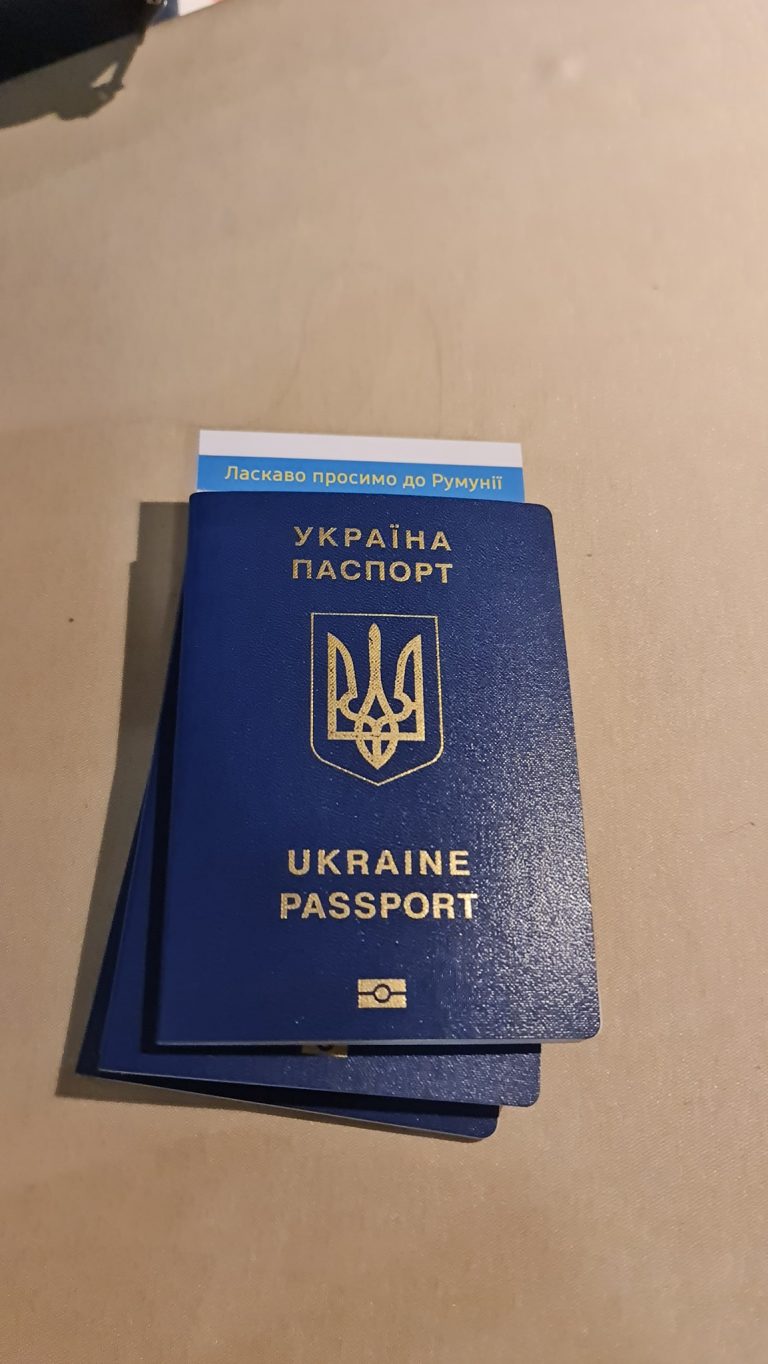
Flyers were inserted into passports upon entry to Romania
Soon, the world’s media arrived. They appreciated the clarity of our materials.
I told journalists:
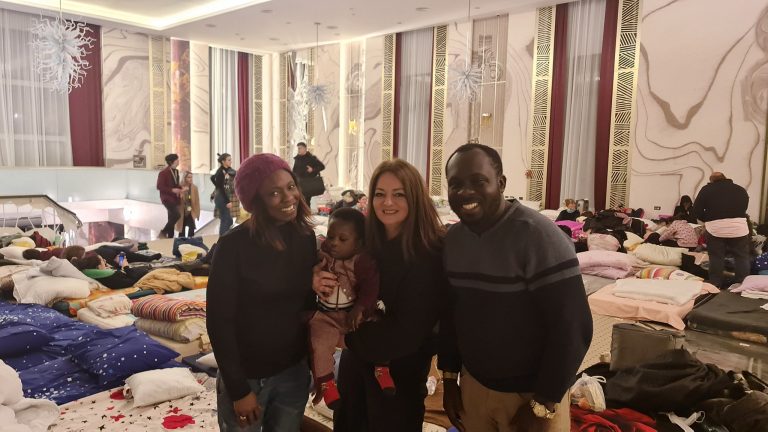
“There’s a place you need to see—a luxury hotel turned into a refugee centre, full of families and pets. Go there.”
They agreed.
I asked only one thing:
“Please make his kindness known.”
And they did.
The Mandachi team was impeccable. They cared for tens of thousands of refugees with extraordinary dignity
9.The Romanian Community in the UK: A Force of Good
Our diaspora moved mountains:
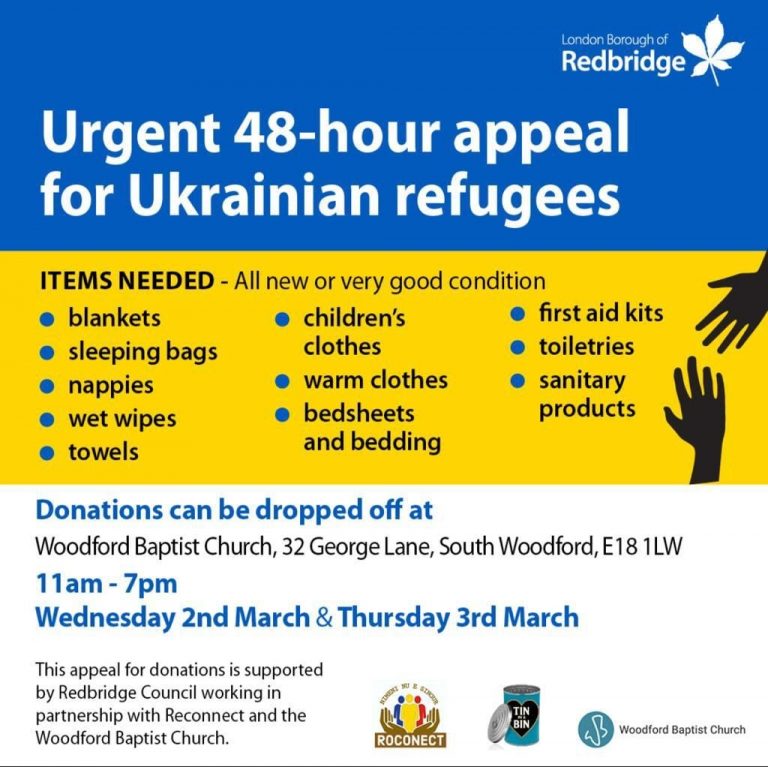
 14 collection points across the UK
Transport trucks funded by Romanian philanthropists
Romanian–UK transport drivers volunteering
Parcel companies offering free shipments
Businesses, churches, and private homes turned into storage hubs
All major UK Romanian mums’ groups organising supplies by category
A coordinated printing group supporting the border campaign
A housing coordination group for refugees in Romania and the UK
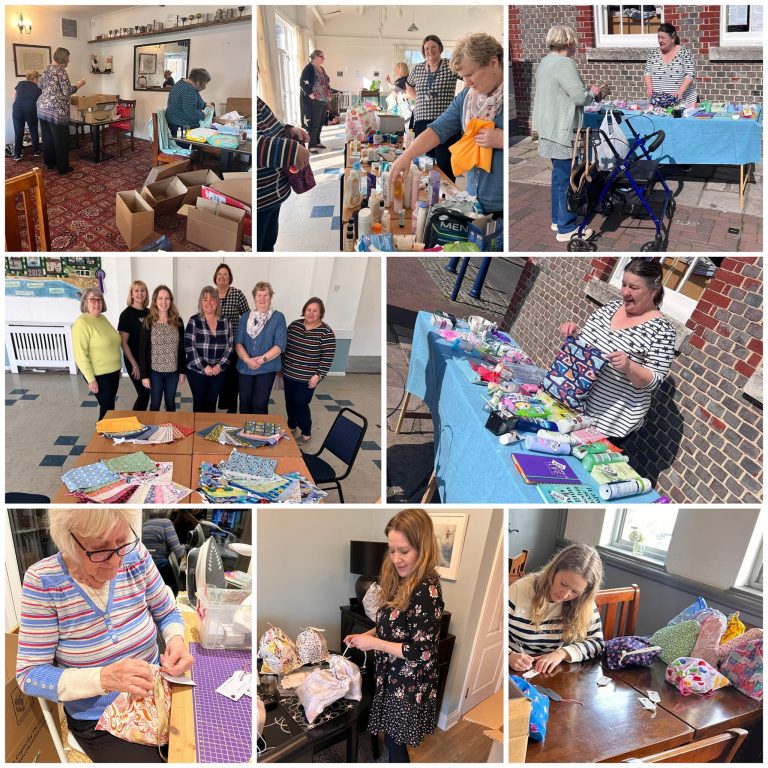
Women sorting donations, men loading vans—hundreds of volunteers
Friends mobilising friends across the world
A London mayor driving a truck to Romania, sleeping among refugees, then lobbying for UK visas
A charity fair for Ukraine that sparked all future outdoor festivals in the UK
Journalists and influencers amplifying the truth we witnessed
Every pound donated mattered.
Every gesture counted.
Together, we achieved something impossible to quantify—time, effort, and pure love.
I barely slept from emotional exhaustion and constant fieldwork. Carmen was with me, but everything was overwhelming.
It was a mission of war-level intensity.
I never learned the names of all the people involved in the UK—there were hundreds.
But every single one mattered.
I fell ill afterward.
I was even arrested.
But everything we did will remain in history—if not earthly history, then before God
Roconect Crisis Response to Ukraine War
Our war crisis response strategy focused on three major fronts:
A. Aid for the refugees crossing the border to Romania
- We have opened 14 aid collection points in London and Wales
- We mobilised the Romanian community and the local community in UK
- We have sent weekly tones of aids from the UK and from our collaborators from the other parts of the world
- Many of our volunteers open their houses in Romania as emergency accommodation for the refugees
- We have assisted Jas Athwal, leader of Redbridge Council in his journey to deliver tones of aid
B. Aid to different regions in Ukraine
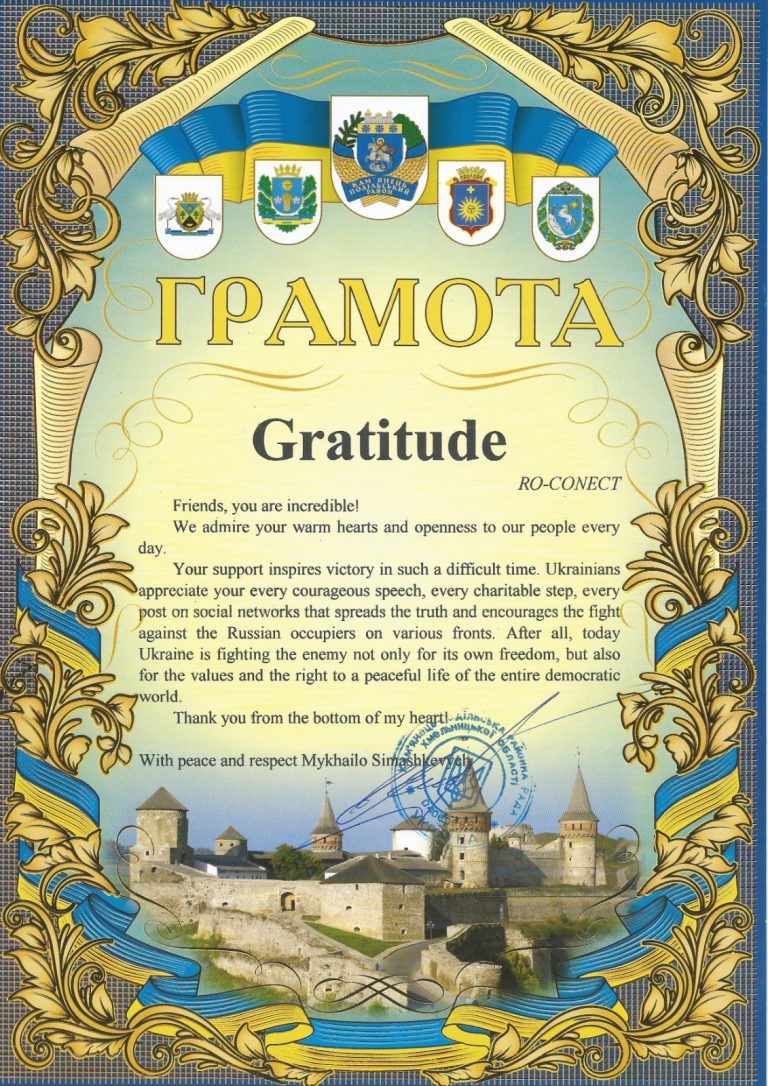
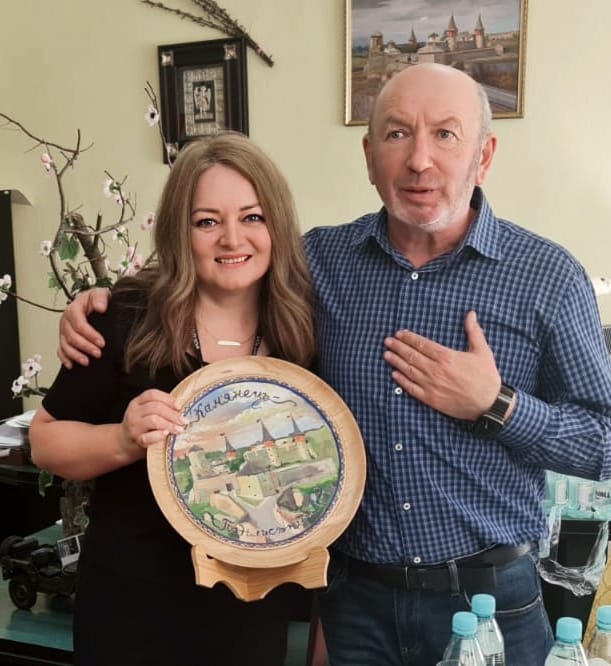
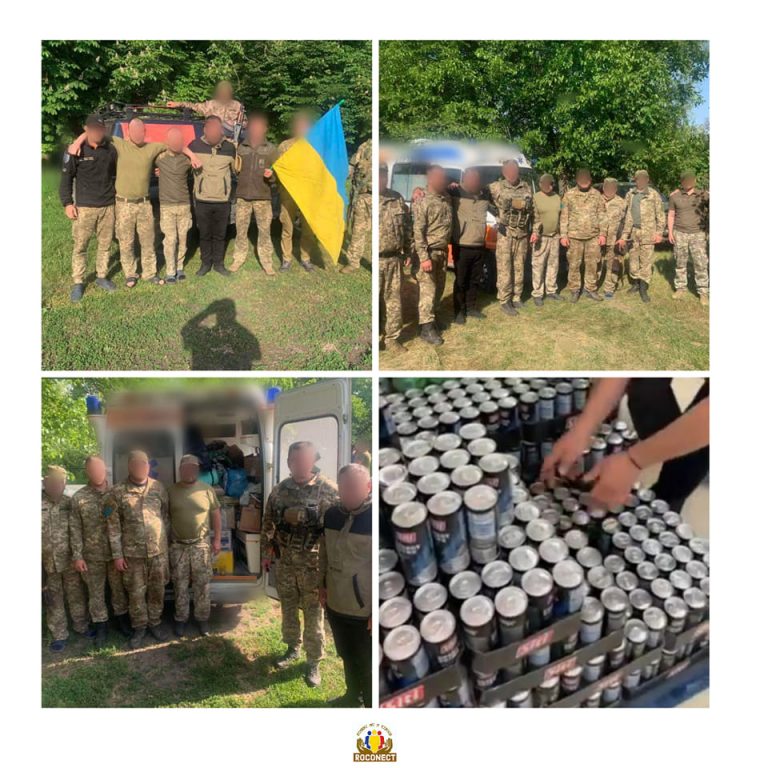
- We delivered aid in Chernivtsi and surroundings, Kamianets-Podilsky and in Kiev at the Heart Institute
- It was a generosity effort from hundreds of organisations, community groups, religious entities, councils, and influencers from the UK, USA, Romania and other part of the world.
C. National campaign of awareness about the risk of modern slavery, at every Romanian border
- In collaboration with the Minister of Internal Affairs (National Agency Against Human Trafficking) the campaign reached all over Romania and also some part on the Republic of Moldova and every border and major travel points in Romania (border customs, airports, stations, refugee centres, monasteries etc)
- We’ve created a network of donors and operational volunteers in Romania, to support logistically the National Agency Against Human Trafficking
- Our campaign was translated in Ukrainian, English, Russian.